Fundación Tierra Austral, a nonprofit organization dedicated to the protection of nature and its biodiversity in Chile, published the book Desde la Tierra,a work that documents the evolution of private conservation in Chile, providing an in-depth look at the creation of the Derecho Real de Conservación (DRC) and its contributions as a tool that formalizes private conservation initiatives.
Thus, the book chronicles the history of the many conservation projects driven by individuals, families, communities, and institutions to protect valuable territorieseven when there were no legal frameworks to support their efforts. These actions, which were not part of the State’s work, laid the foundations for the creation of the DRC, a legal instrument that establishes land-use regulation conditions in order to protect its natural values in the long term.
Through an exploration of the experiences and motivations of landowners who chose to conserve their land under the DRC framework, Desde la Tierra it shows that the protection of environmental heritage is a task that, in addition to being complex, is multifaceted, and that accommodates a wide range of realities at the national level.
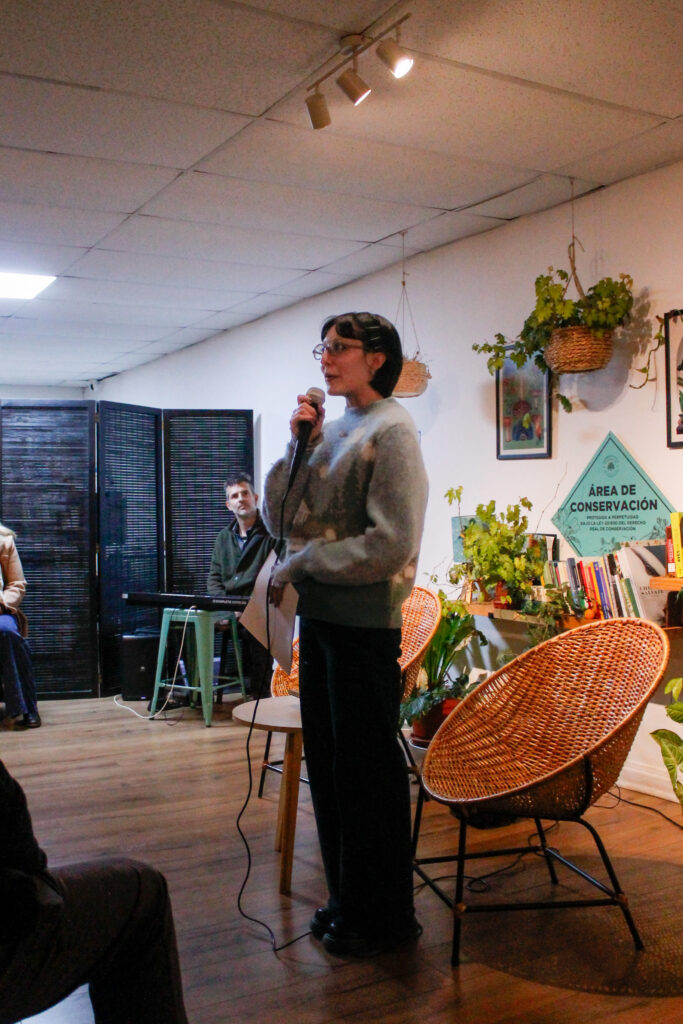
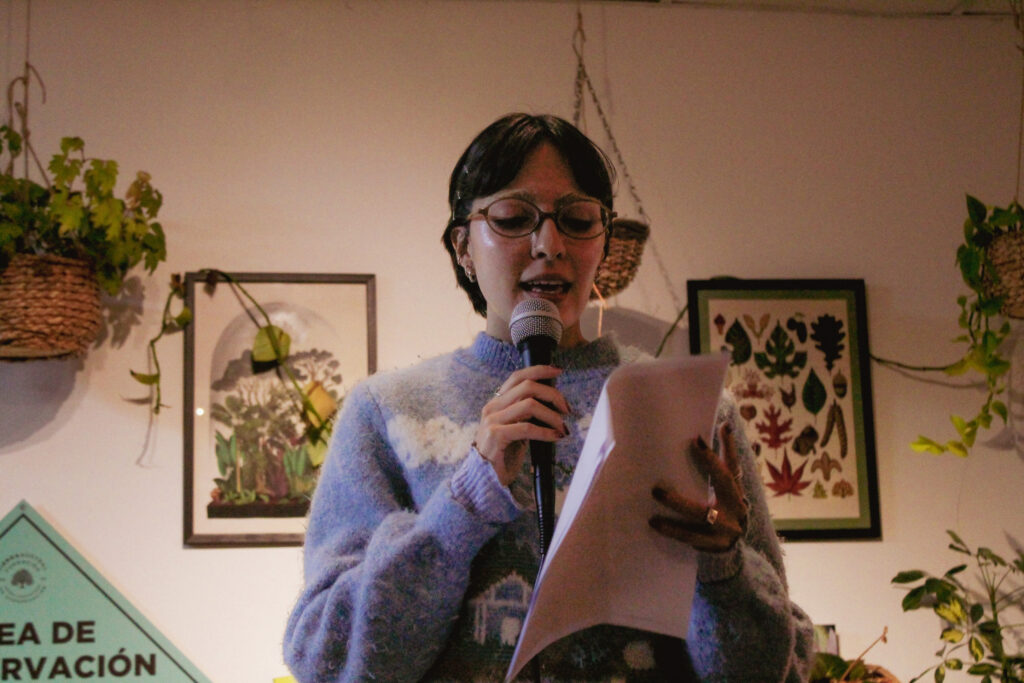
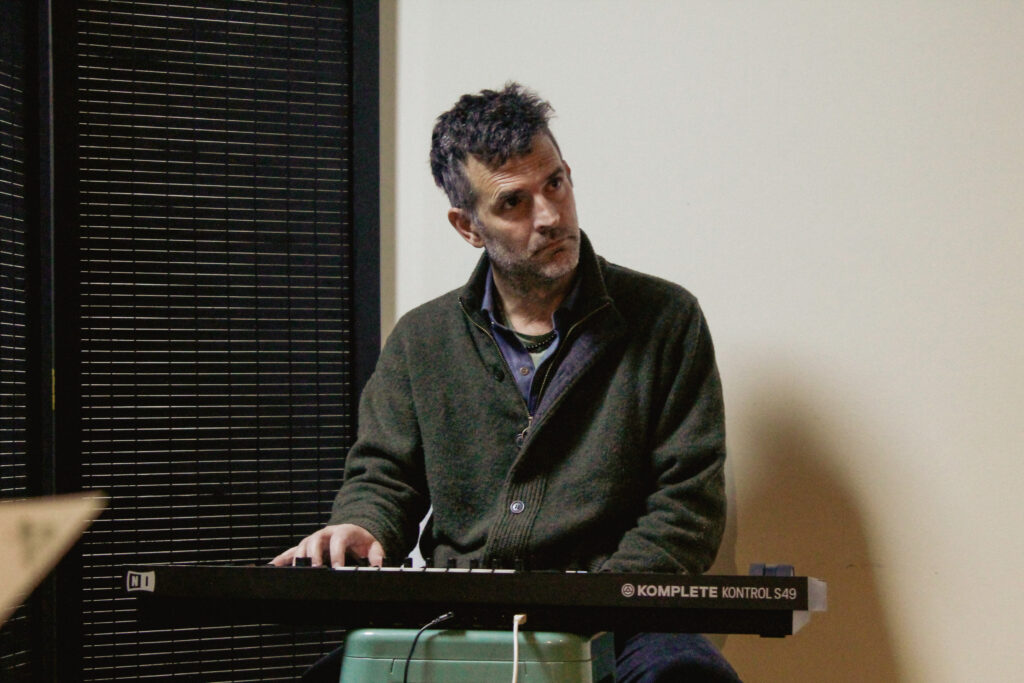
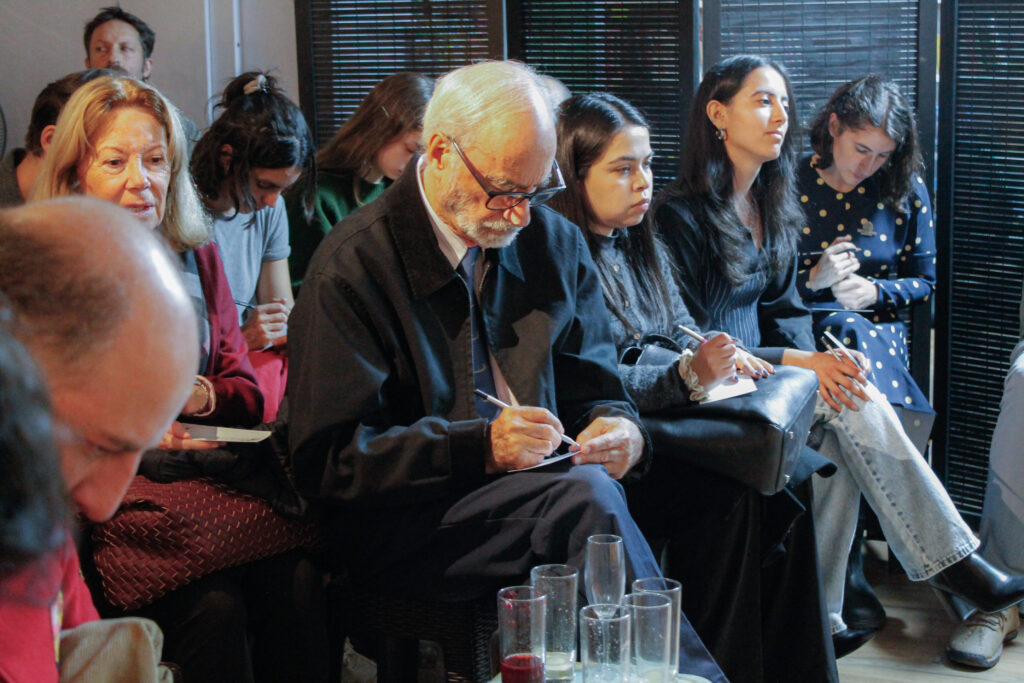
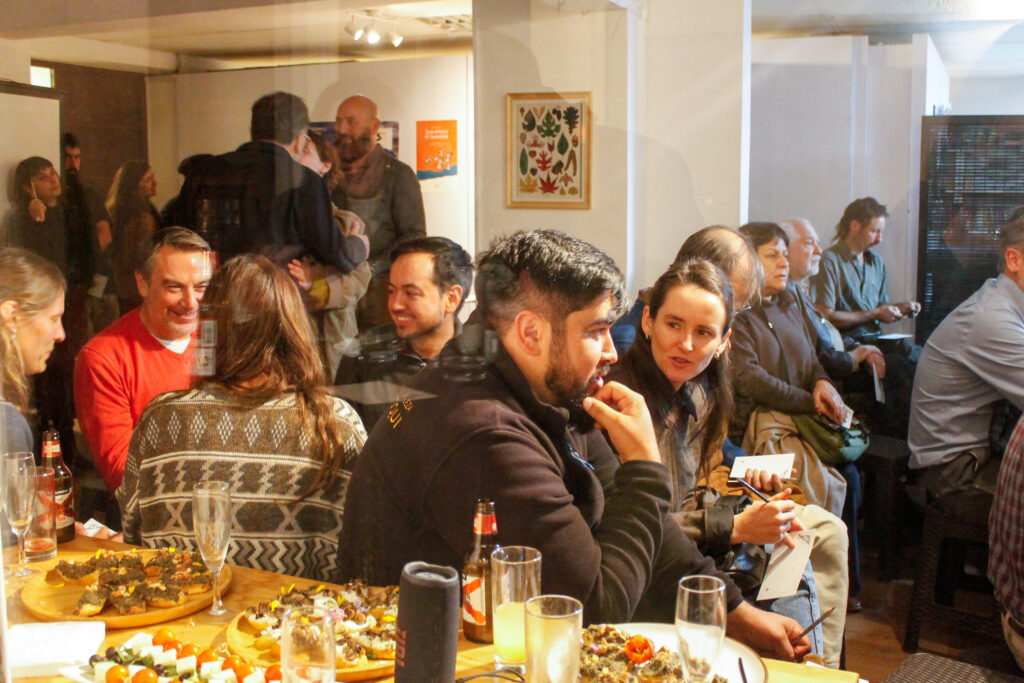
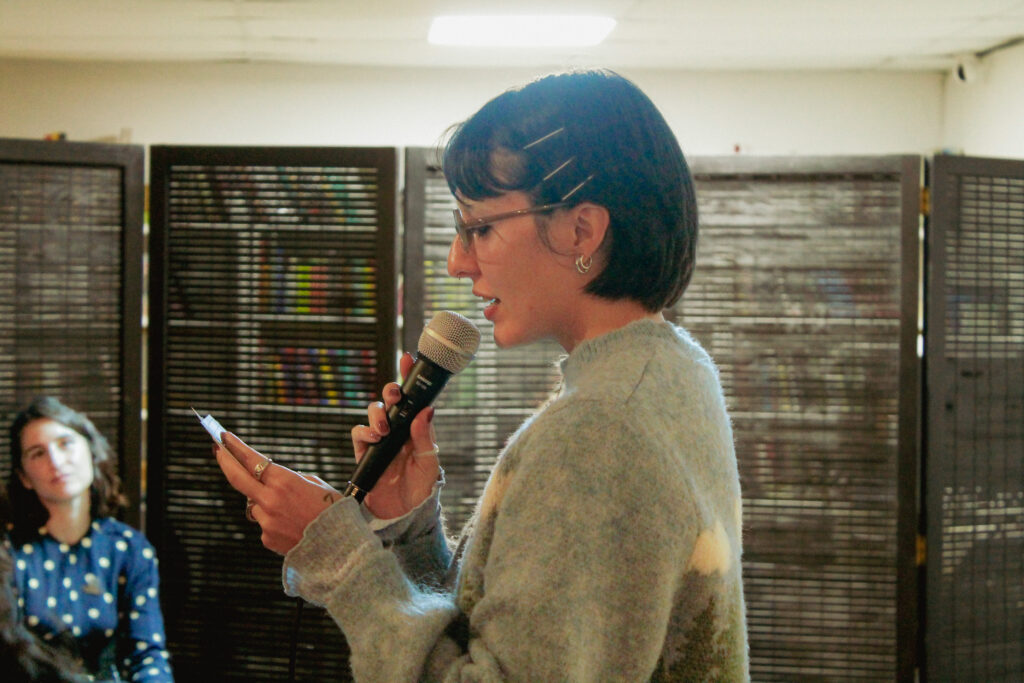
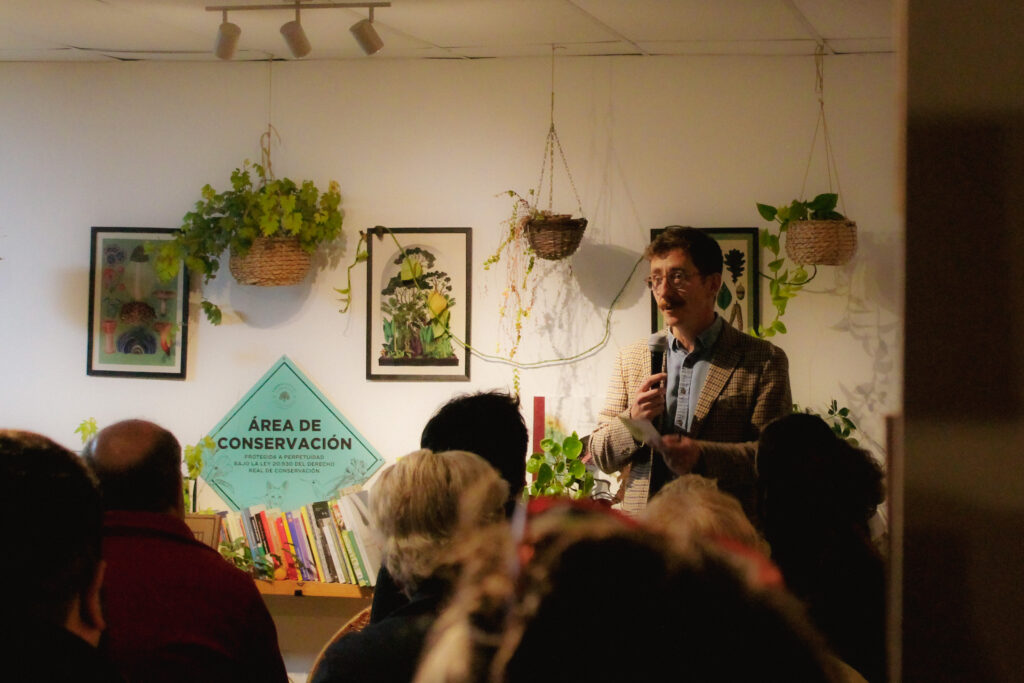
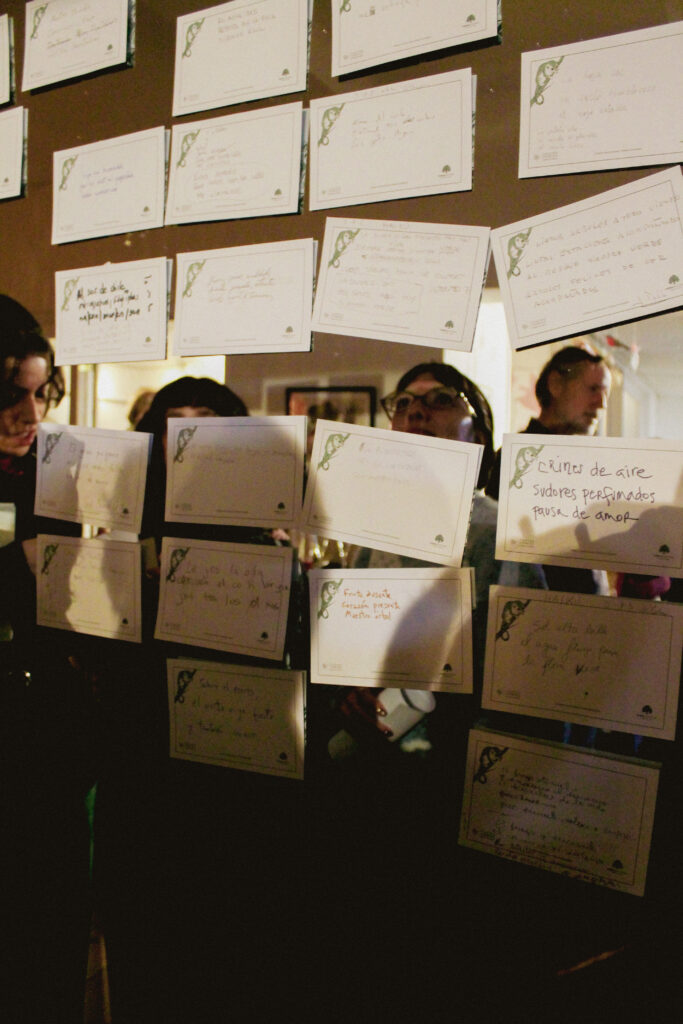
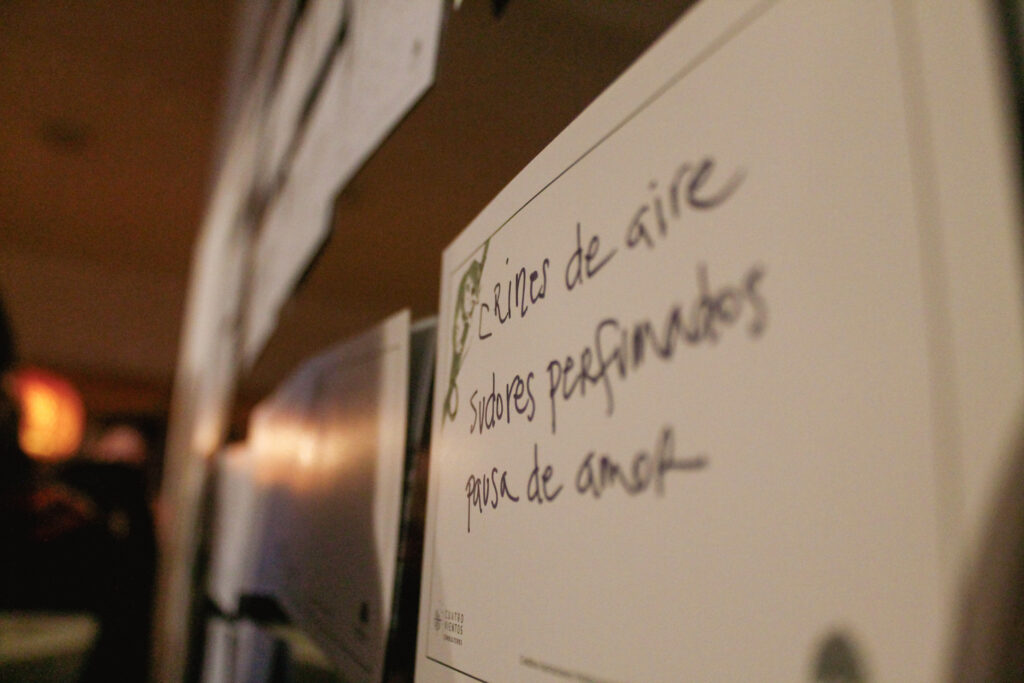
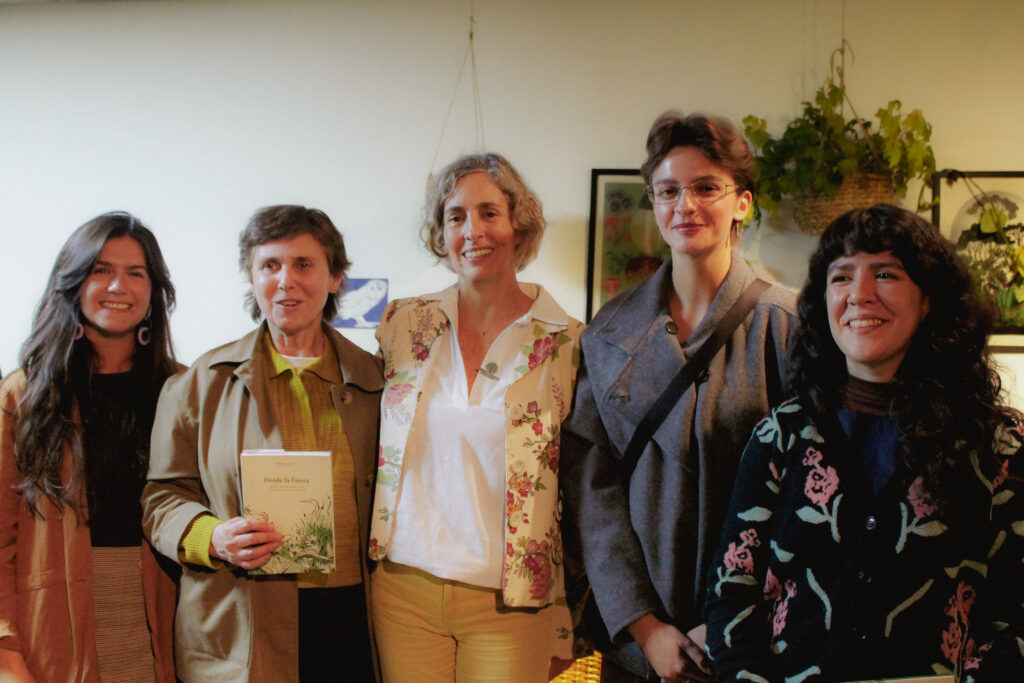
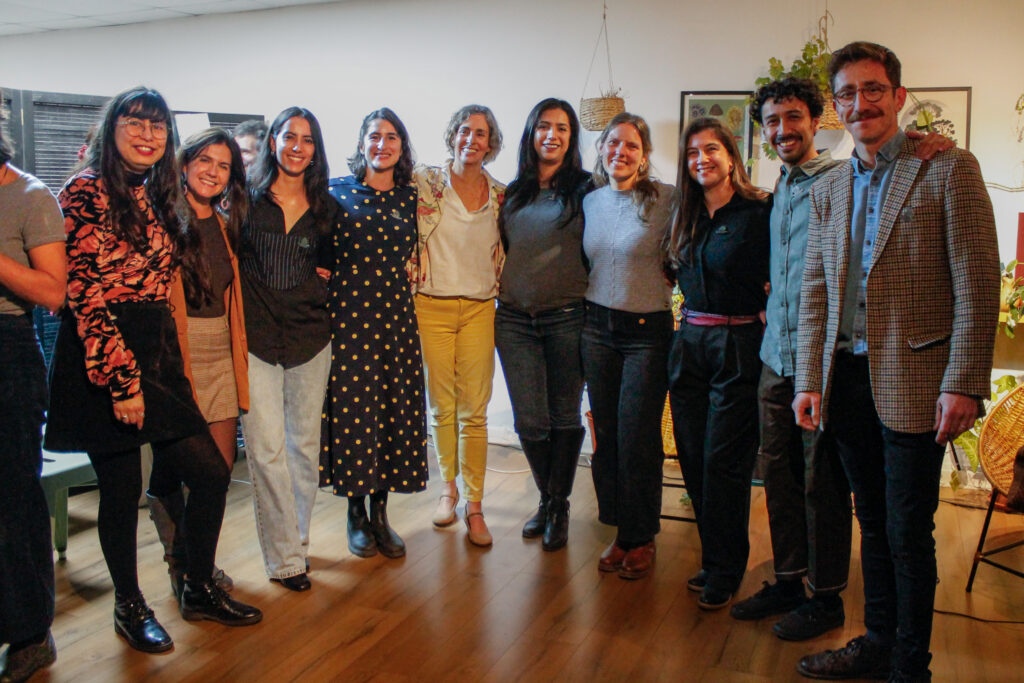
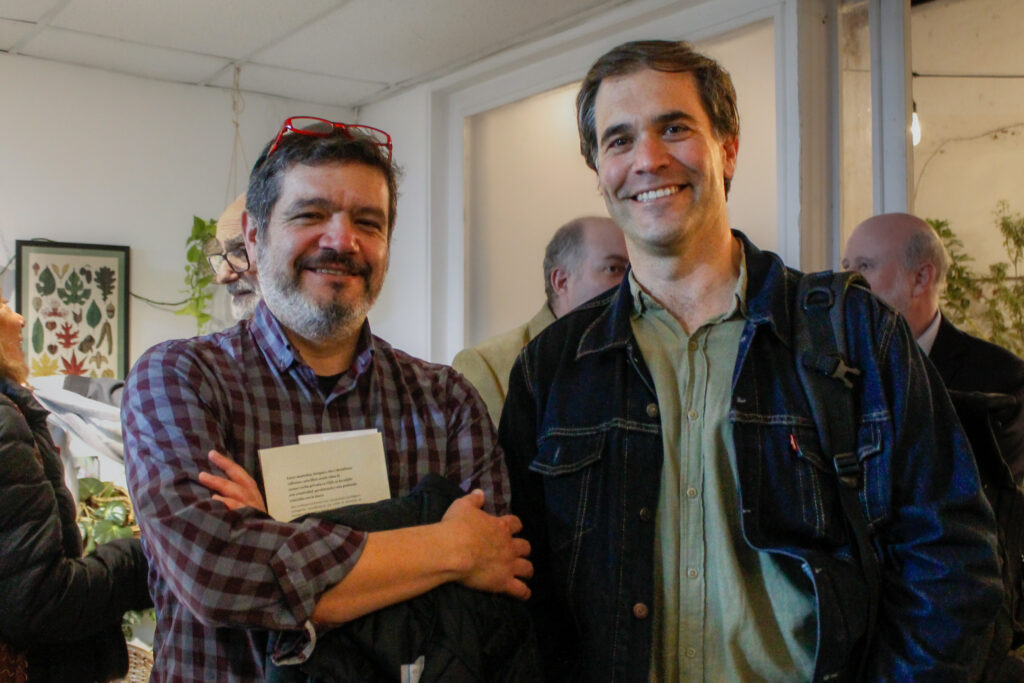
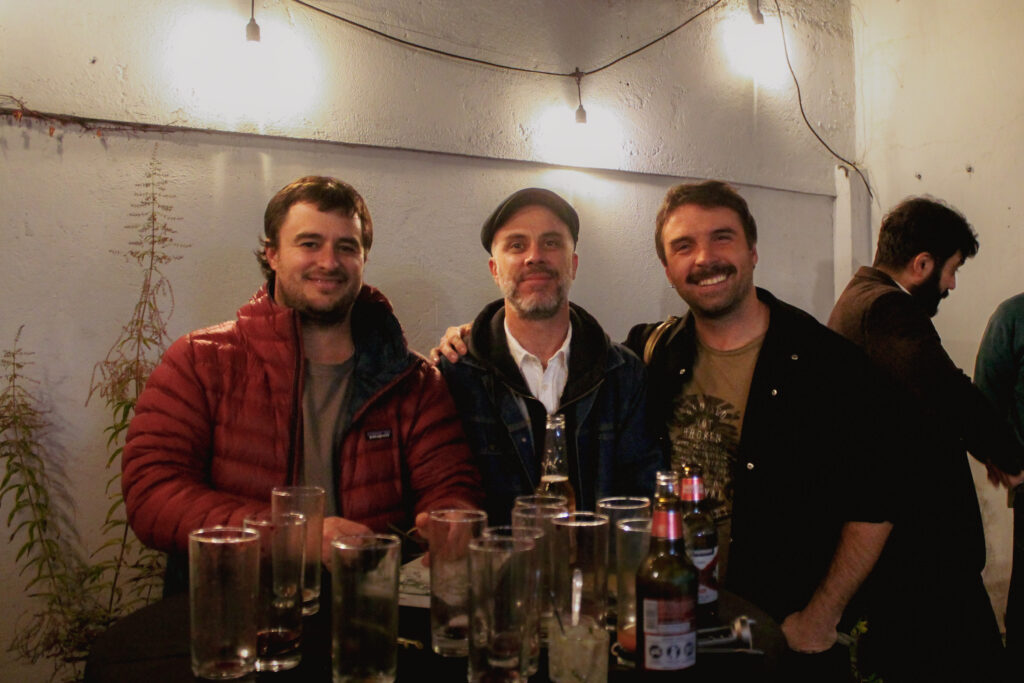
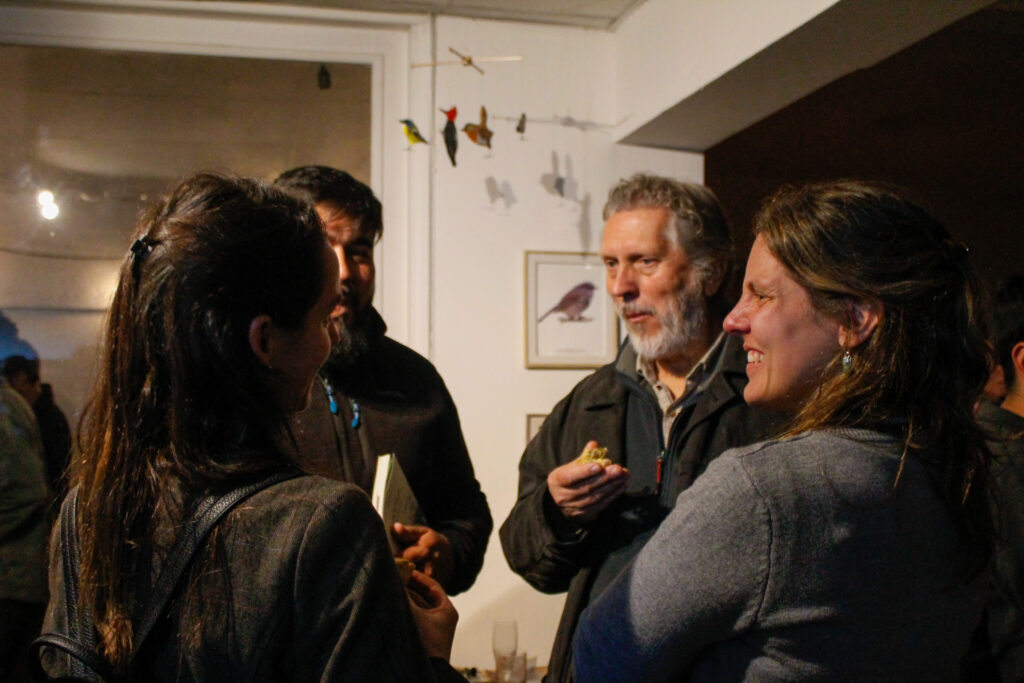
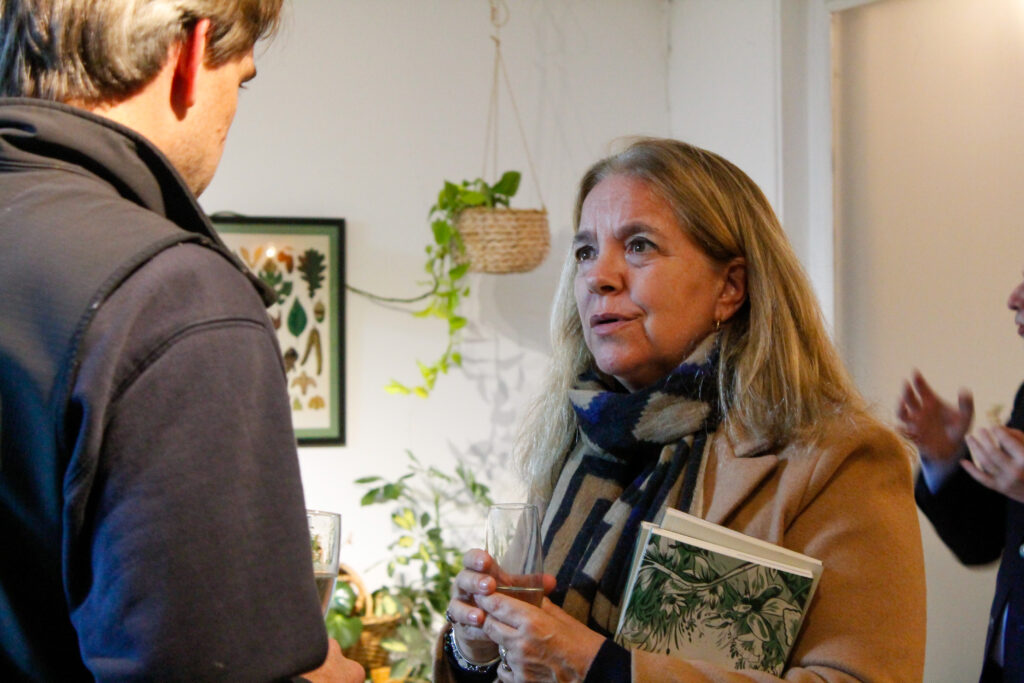
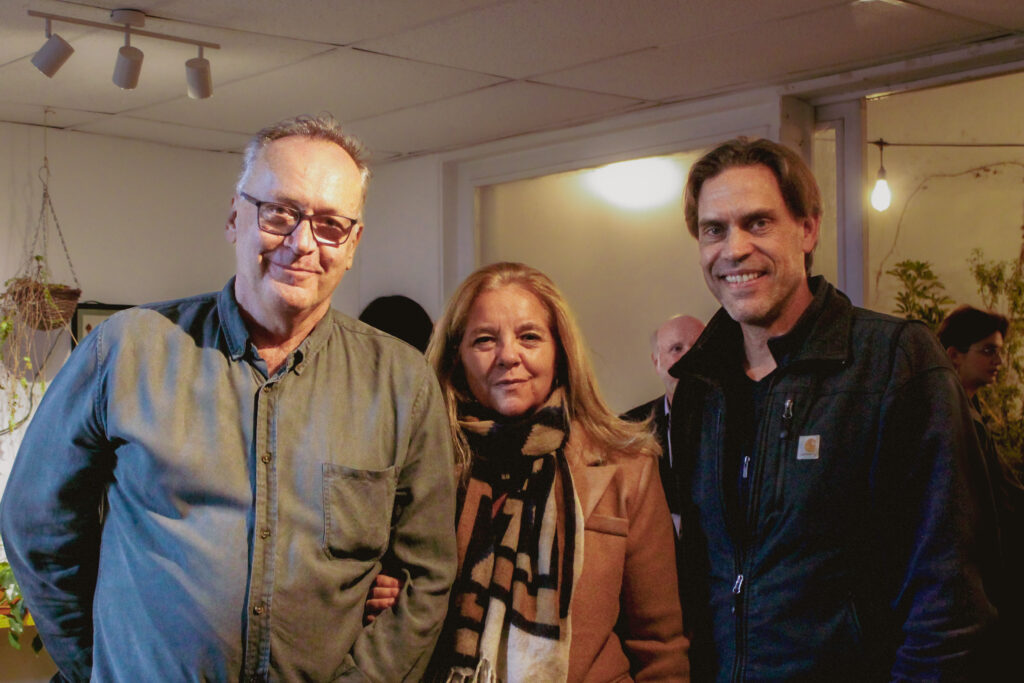
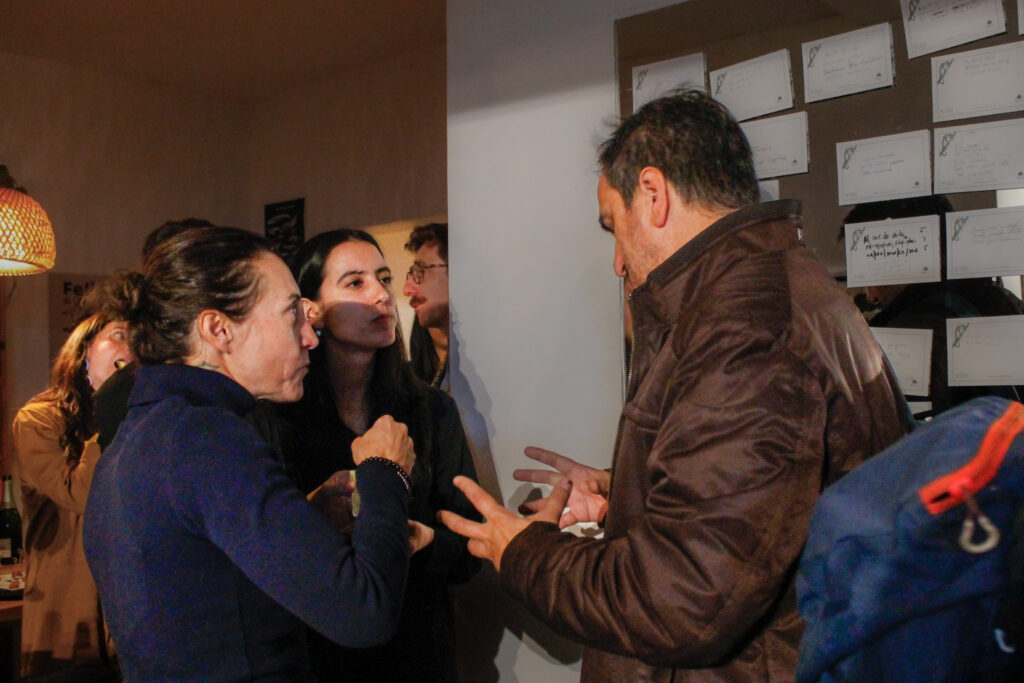
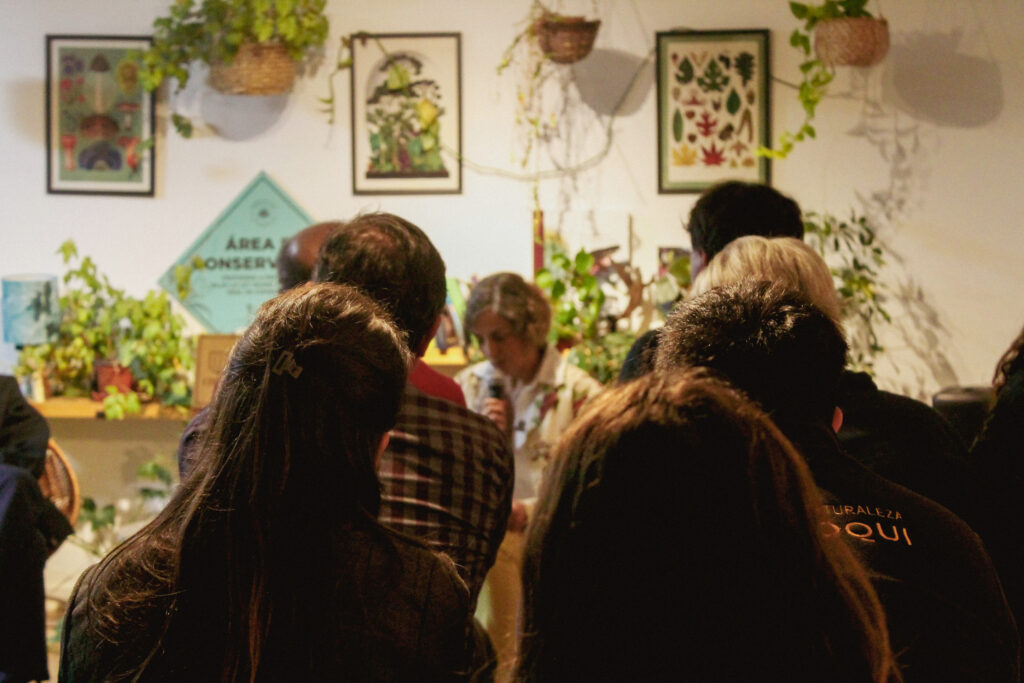
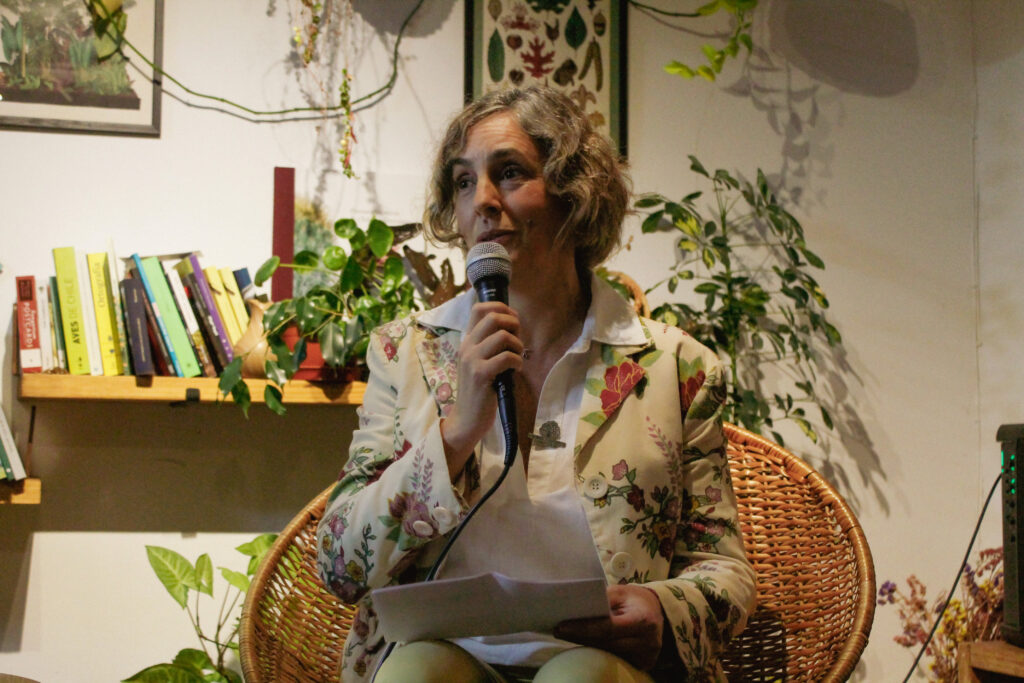
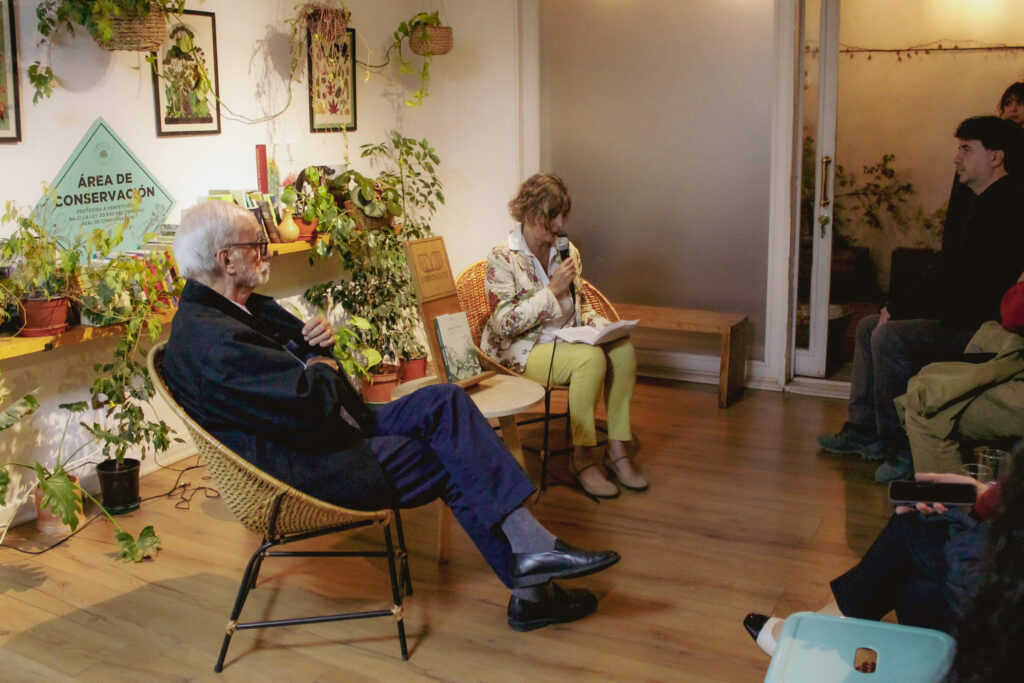
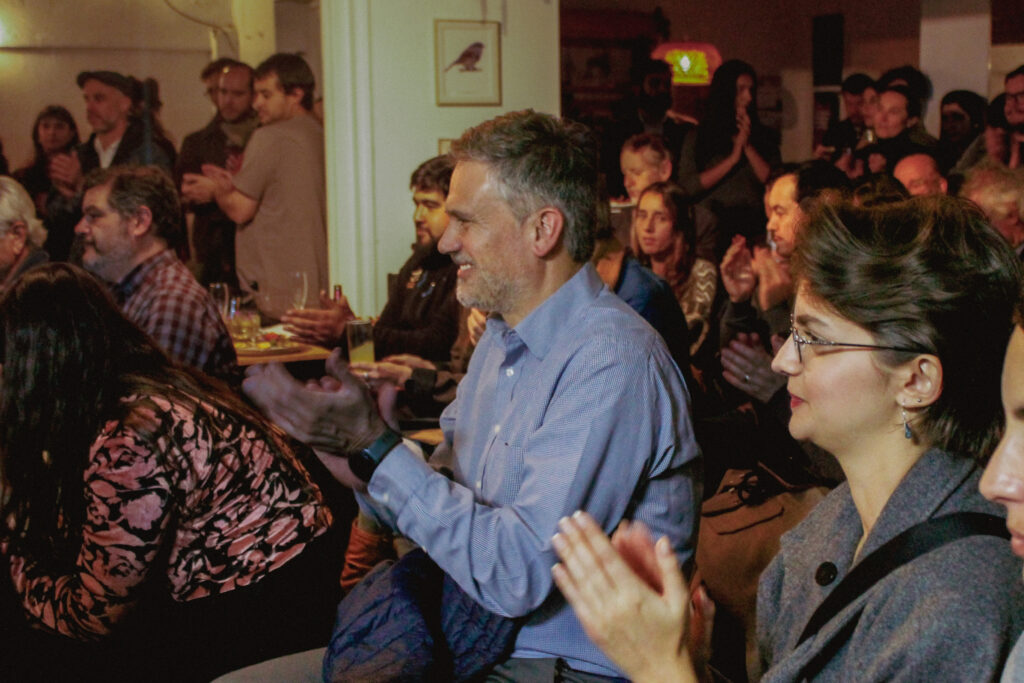
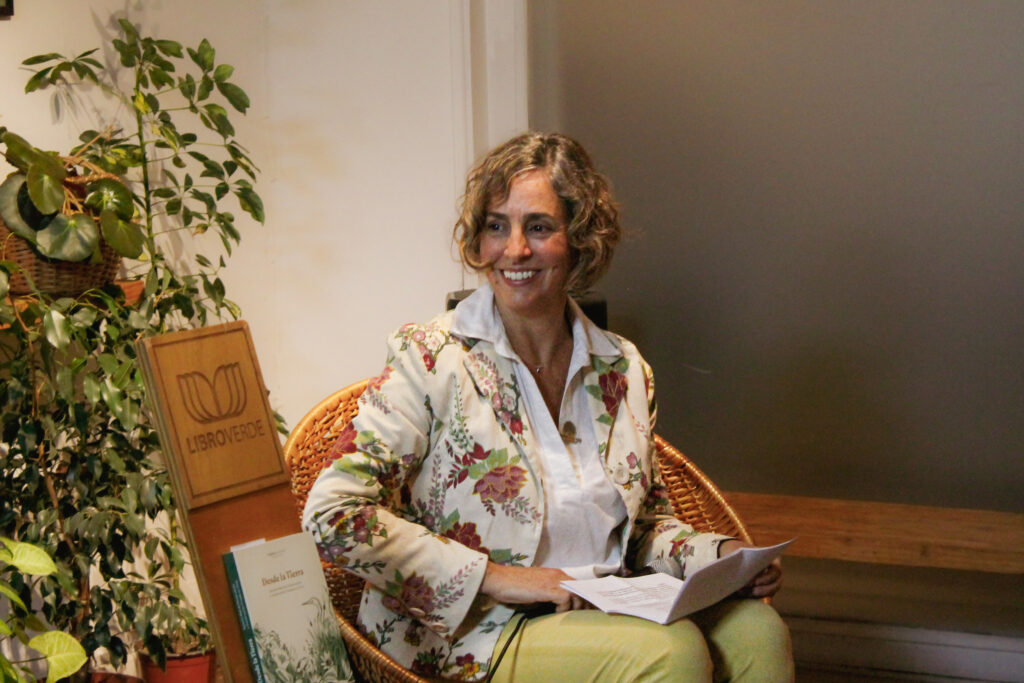
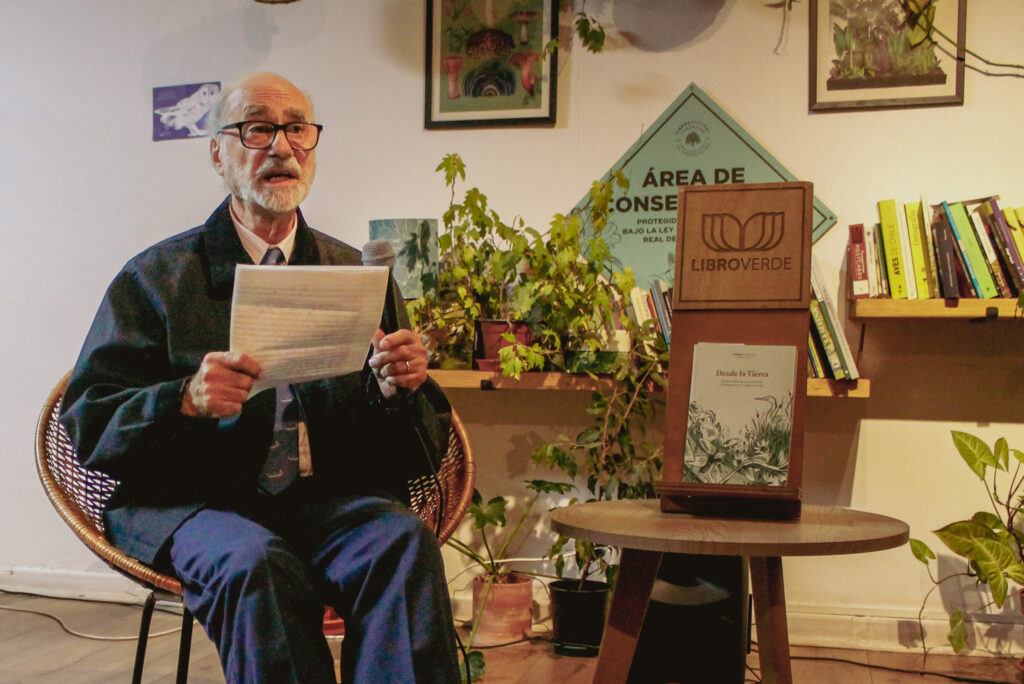
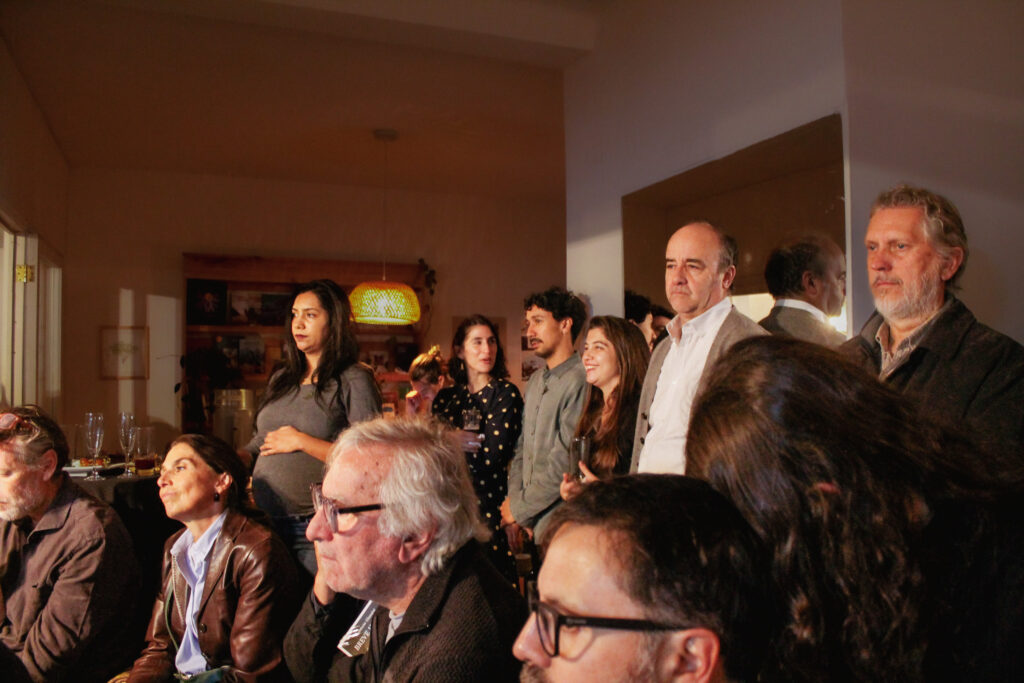
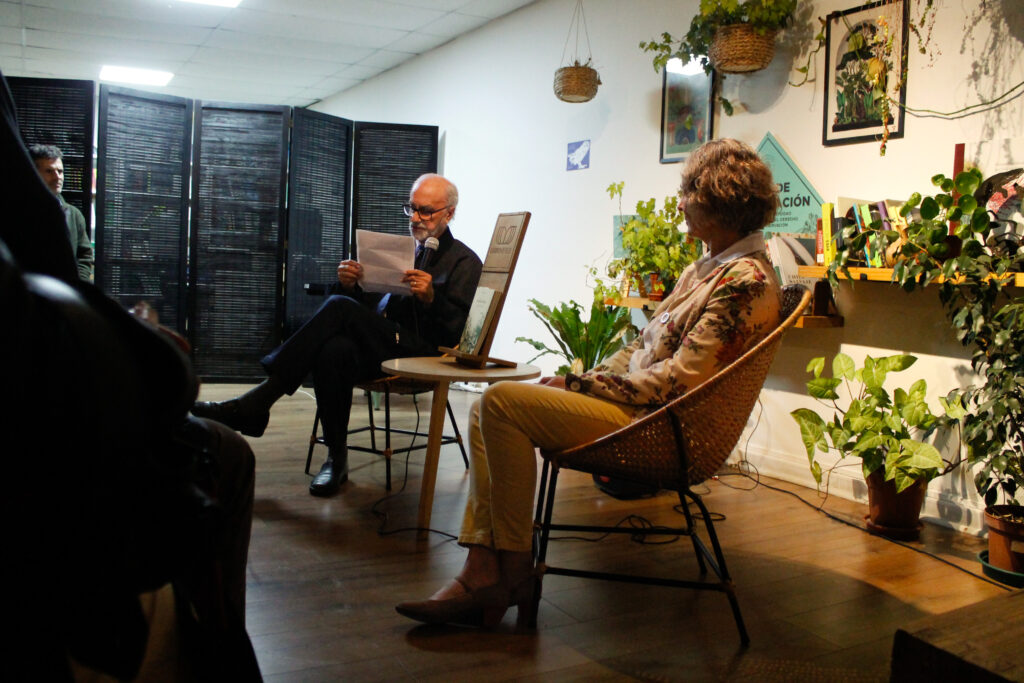
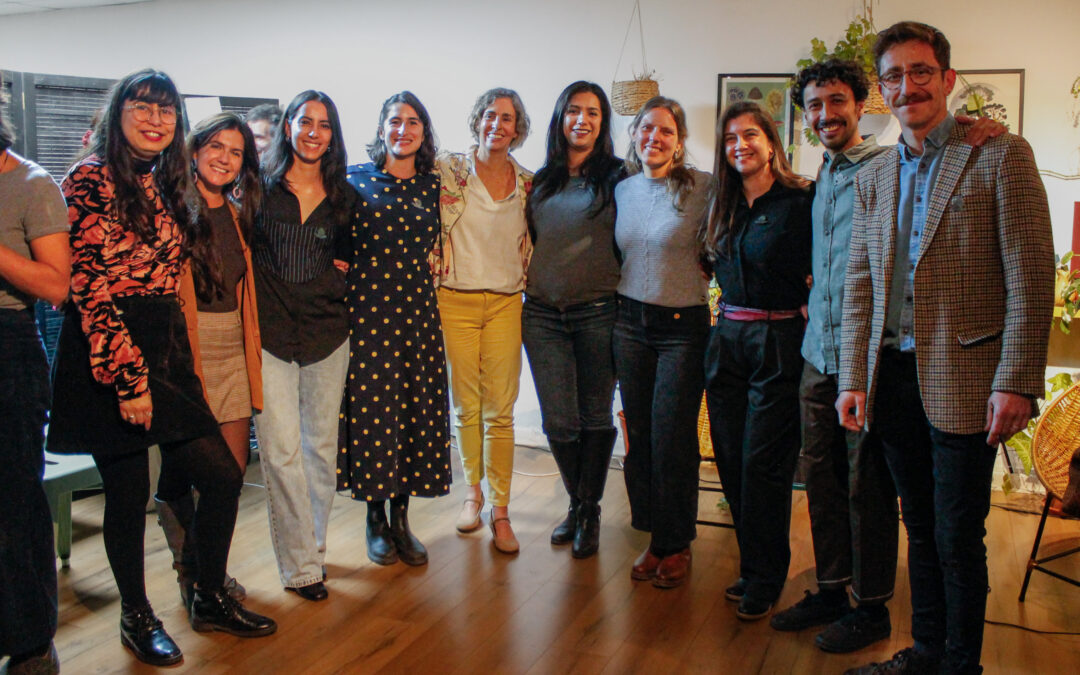
The launch of Desde la Tierra, held at the Libro Verde bookstore and attended by more than 70 people, is part of the 10th anniversary of the creation of the RRC under Law 20,930, enacted on June 10, 2016, in Chilean legislation to promote private sector participation in the conservation of environmental heritage.
Victoria Alonso, executive director of Fundación Tierra Austral, highlighted that this book seeks to document part of the history of conservation, with the awareness that the full history is broader, but driven by a need not to forget the progress that has been made. She also thanked everyone who made its publication possible.
Additionally, she underlined the DRC contribution to the environment protection in the country: "In Chile, more than 80% of ecosystems under threat are in private hands. In this book, we tell the story of areas conserved in perpetuity, whose primary purpose is the protection of natural values, and which are established with conservation organizations such as Tierra Austral and others working to safeguard our environmental heritage. The technical capacity of these organizations—responsible for ensuring compliance with each DRC agreement and its conditions—is what makes this instrument a robust legal tool that we hope will continue to expand. Because private conservation contributes to protecting Chile’s irreplaceable landscapes, complementing the State’s efforts. It is essential to continue moving forward with strength and pride, but also with humility and responsibility.”
José Manuel Cruz, the lawyer who led the drafting of Law 20,930, recalled the process of developing the legislation: “When we started this initiative many years ago, it was extremely difficult to bring it to fruition, but it was achieved. I believe that after these 10 years we can now speak of a certain maturity, and that a new stage of greater expansion should now follow.” Because conservation is in the public interest. While the landowners who use the DRC are private individuals, this tool is meaningful due to the public-private collaboration it requires, and because increasing conservation serves the common good”.
What does it mean to establish a Real Right of Conservation (DRC) agreement?
Through a Derecho Real de Conservación (DRC) agreement, the private owners can legally formalize their commitment to conserving the ecological and/or cultural value of their land. The agreement is signed between a landowner and a third party who will act as the holder of the agreementThrough the DRC agreement, the property remains with the owner and is also protected in perpetuity, while the role of the holder or guarantor of the DRC agreement is to ensure the effective conservation of the environmental value of the protected area.
Currently, Fundación Tierra Austral maintains 18 RRC agreements in Chile between the Valparaíso and Los Lagos regions, through which it has managed to permanently protect more than 21,600 hectares . Although it is not a legal requirement, Fundación Tierra Austral only enters into perpetual agreements to ensure effective environmental protection.
Ángeles Vial, propietaria del owner of the Cerro Poqui Nature Sanctuary, a privately protected area in perpetuity through an DRC agreement located in the O’Higgins Region, explained her reasons for choosing this legal tool: “As a family, we sought a framework that would provide greater security. Once the area was declared a sanctuary and the DRC was signed with Fundación Tierra Austral, we realized that conservation was not only about protecting this space from the threats that initially motivated us, mainly wildfires, but also about building on something broader, such as environmental education and research, and about wanting to embrace conservation through knowledge, because it is difficult to protect something one does not know. It was a meaningful journey to get involved. Before, we may have understood it as giving up the space, but now it is about conserving it together.”
For his part, Luis Astorga, owner of Bosques de Tinguiririca, another privately protected area in perpetuity under an DRC agreement with Fundación Tierra Austral in the O’Higgins Region, reflected on the changes he has observed in the property since deciding to conserve it: “In the 40 years we have had it, the forest has been restored in an incredible way. This is a sclerophyll forest, which is very scarce in central Chile, and that has made it increasingly valuable to us—value that we want to preserve for the future. The most practical way to do this, once we are gone, is through an DRC. You are not truly the owner of a territory or an area; you are born and you die, and the land and the forests remain".
At last, Rafael Asenjo, a prominent environmental lawyer and member of the board of Fundación Tierra Austral, highlighted the importance of promoting concrete actions for the protection of nature: “As human beings, we are the only ones who can work and make use of the means and techniques that allow us to prevent and repair damage, and to protect the environmental heritage that has been entrusted to us in custody. Our book Desde la Tierra, carefully presents how the processes of maturation and establishment of private property initiatives have been carried out, which, through the use of the RRC, have become a true conservation legacy. I am certain that with this book, Fundación Tierra Austral makes a very valuable tool available to everyone to promote and further develop private conservation in Chile”.
Desde la Tierra was produced collaboratively by Fundación Tierra Austral and the consulting firm Cuatro Vientos. The design was carried out by León del Monte, while the photographs were taken by Más Verde Comunicaciones during a visit to 10 of the conservation areas with which Fundación Tierra Austral works throughout Chile, as well as by Chilean photographer Tomás Munita.
We share the records of the book launch with you: